
When Concrete Sealing Is Worth the Investment
A clean driveway can look brand new after professional washing, but that fresh appearance is only part of the story. In Western North Carolina, concrete sealing gives driveways, patios, walkways, pool decks, and commercial flatwork added protection from the moisture, organic growth, and staining that return with every season.
Concrete is tough, but it is not solid like glass. Its surface contains tiny pores that can absorb water, oil, rust, leaf tannins, fertilizer marks, and other contaminants. Once those materials work their way below the surface, ordinary cleaning may improve the appearance without fully removing the stain. A quality sealer helps limit that absorption, making future maintenance easier and helping the concrete hold its clean, cared-for look longer.
What Concrete Sealing Actually Does
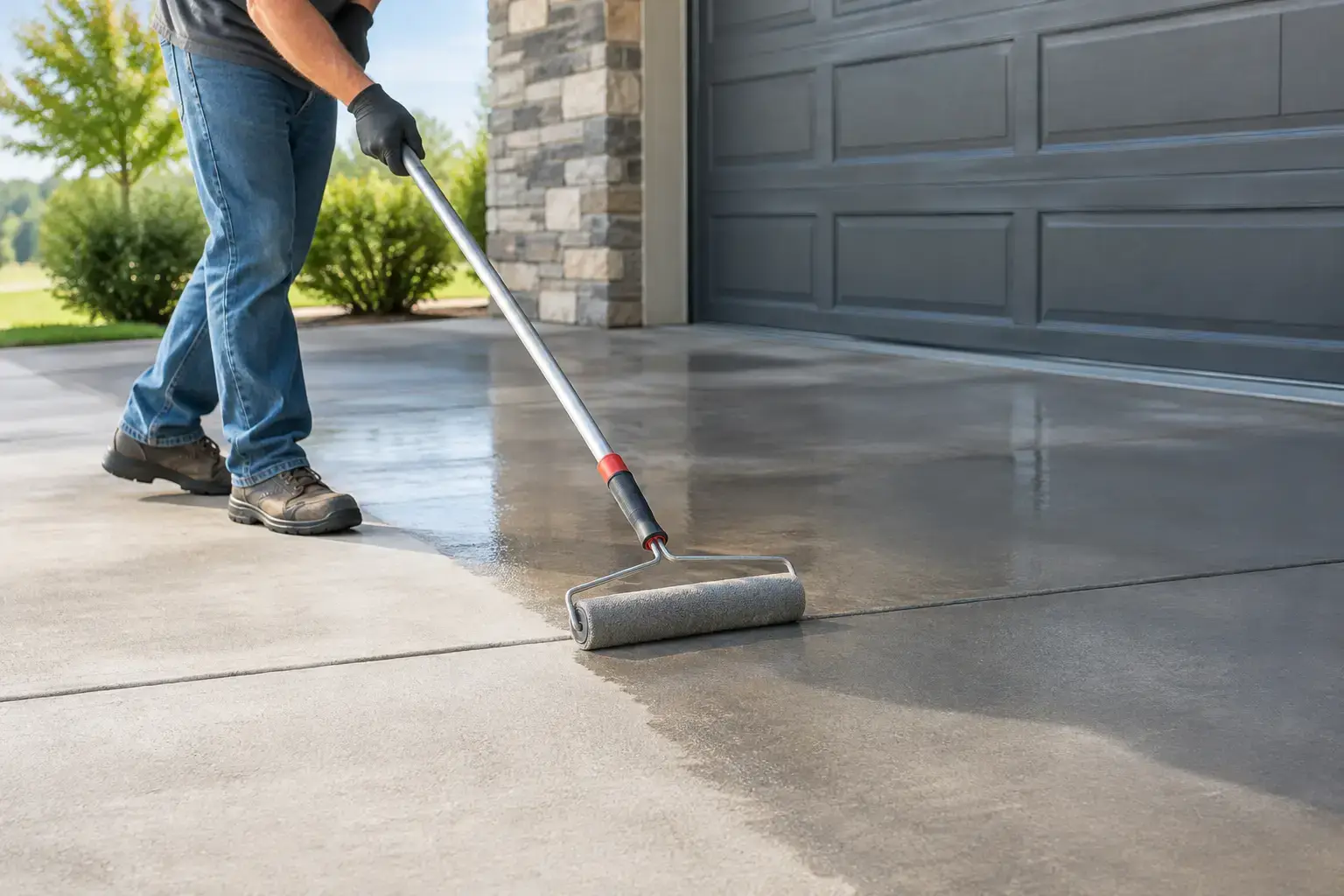
Concrete sealing applies a protective treatment to clean, dry concrete. Depending on the surface, its condition, and the property owner’s goals, a sealer may penetrate beneath the surface or create a protective film on top. The right choice is not always the shiniest option. For many residential driveways and walkways, a natural-looking penetrating sealer offers practical protection without changing the appearance dramatically.
A properly selected sealer can help reduce water intrusion, limit staining, and slow down the wear caused by changing weather. It also makes a difference when pollen, leaves, mildew, algae, vehicle fluids, and muddy mountain weather keep finding their way onto the concrete.
The benefit is especially clear after a professional concrete cleaning. Cleaning removes the buildup that hides the surface and creates a better foundation for sealing. Applying sealer over dirt, algae, or moisture can trap problems in place and leave an uneven result. Preparation matters just as much as the product.
Why Asheville-Area Concrete Needs Extra Attention
Homes and businesses around Asheville, Hendersonville, Biltmore Forest, and the surrounding mountain communities deal with a mix of weather that is hard on exterior surfaces. Humid summers encourage mildew and algae. Heavy rain carries soil and organic debris across patios and walkways. Fall leaves can leave dark tannin stains, while winter moisture can work into unprotected concrete.
When water enters concrete and temperatures drop, that moisture can contribute to surface stress as it freezes and thaws. Sealing will not repair existing cracks or stop every form of damage, but it can reduce one of the most common sources of long-term wear: repeated moisture absorption.
Driveways also face automotive fluids, tire marks, deicing materials, and rust stains from patio furniture or metal planters. At commercial properties, foot traffic, deliveries, dumpsters, and customer vehicles add another layer of wear. A sealed surface is not stain-proof, but it gives spills less opportunity to soak in immediately. That extra response time can make routine cleanup far more effective.
Signs Your Concrete May Be Ready for Sealing
The clearest sign is often what happens when it rains. If water quickly darkens the concrete and disappears into the surface rather than beading up or lingering briefly, the concrete may be unprotected or due for resealing. A driveway that seems to collect stains more easily than it used to can tell the same story.
You may also notice increased mildew growth in shaded areas, especially on walkways, patios, and concrete near landscaping. Sealing does not replace regular exterior cleaning, since airborne spores and organic debris will still land on the surface. It can, however, make the concrete less hospitable to deep-set moisture and easier to maintain between cleanings.
Older concrete with light surface wear, fading color, or recurring leaf and oil stains is often a good candidate. The condition matters, though. Concrete that is actively flaking, deeply cracked, spalling, or failing may need repair or a different solution before sealing. A trained exterior cleaning professional should assess the surface instead of treating every slab the same way.
The Right Process Starts With a Clean Surface
Good results come from careful preparation, not a quick coat of product. Before sealing, the concrete needs to be cleaned thoroughly enough to remove dirt, mildew, algae, pollen, and staining that could interfere with adhesion or appearance. This may include professional pressure washing with surface-appropriate techniques and targeted treatment for rust, oil, or organic stains.
After cleaning, the concrete must dry fully. This step is easy to underestimate in our humid climate. Sealer applied to damp concrete may not penetrate correctly, can turn cloudy, or may fail sooner than expected. Weather forecasts, shade, drainage, and the age of the concrete all affect timing.
The sealer should then be applied evenly at the right coverage rate. Too little may leave weak areas. Too much can create puddling, blotchy spots, or a slippery finish, particularly with film-forming products. On walkways, pool decks, and entry areas, traction should always be part of the conversation. A glossy appearance may be appealing, but safety and surface performance come first.
Choosing Between Penetrating and Topical Sealers
There is no single best sealer for every property. Penetrating sealers soak into the concrete and typically preserve a natural finish. They are often a strong fit for driveways, sidewalks, and outdoor surfaces where homeowners want water resistance without a noticeable sheen.
Topical sealers sit closer to the surface and may deepen color or add a satin or glossy look. They can be useful for decorative concrete and certain patios, but they generally require more attention to surface preparation and can wear differently in high-traffic areas. Some products may also become slippery when wet if they are not selected and applied correctly.
The best option depends on the concrete’s age, finish, location, drainage, exposure to traffic, and the look you want. A patio beneath a covered porch has different needs from a steep driveway that sees daily vehicles and winter weather. Professional guidance helps avoid paying for a finish that looks good for a short time but is poorly suited to the surface.
How Long Does Sealed Concrete Last?
Sealer longevity depends on the product, weather exposure, traffic, cleaning habits, and the condition of the concrete underneath. A lightly used, covered patio may stay protected longer than a sun-exposed driveway with frequent vehicle traffic. Expect to monitor the surface rather than rely on a calendar alone.
When water stops beading, stains begin absorbing faster, or the finish looks uneven, it may be time to evaluate resealing. Regular professional cleaning can help extend the life of the treatment by removing the contaminants that slowly wear on the surface.
Avoid harsh chemicals, aggressive scraping, and unnecessary high-pressure cleaning after sealing. The goal is not to avoid maintenance. It is to make maintenance more manageable and protect the investment you have already made in your property.
A Practical Upgrade for Homes and Businesses
For homeowners, sealed concrete supports curb appeal and helps keep common outdoor areas looking cared for. For landlords and property managers, it can make turnover cleaning easier and help maintain a more welcoming property. For businesses, clean, protected walkways and entry areas show customers that the details matter before they ever walk through the door.
WNC Wash Pro’s approaches concrete work with the same care used across exterior surfaces: evaluate the material, clean it safely, and recommend a solution based on the property’s actual needs. The goal is not to sell a one-size-fits-all coating. It is to help protect concrete from the stains, moisture, and seasonal buildup common across Western North Carolina.
If your driveway or patio has started absorbing every rainstorm, showing stubborn stains, or losing the clean look it once had, schedule an assessment before the next season adds another layer of wear. The right preparation and sealer can keep your concrete easier to clean and more enjoyable to come home to.