
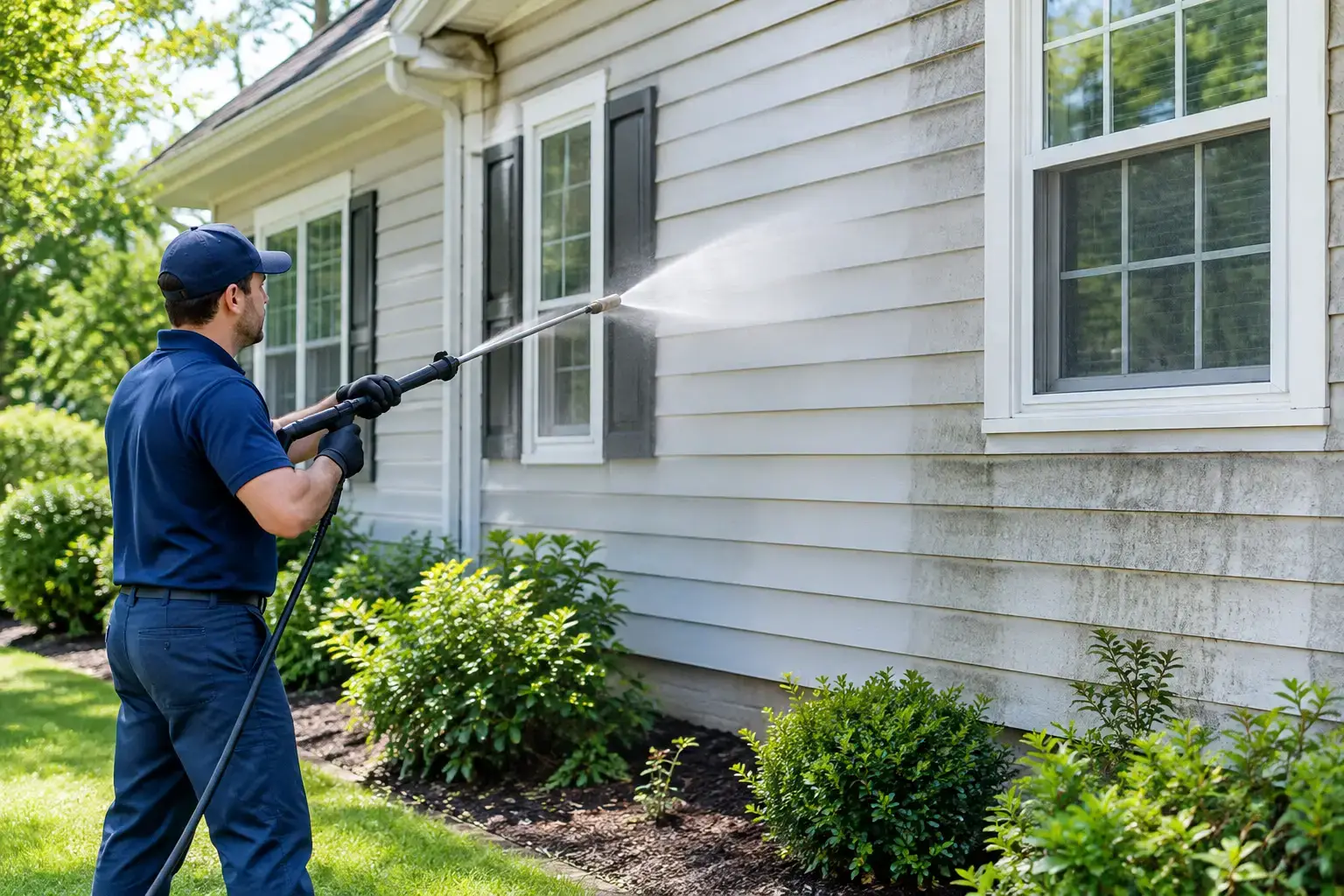
Best House Washing Methods for Safe Results
A green film on siding is not just a curb-appeal issue in Asheville and Western North Carolina. In our humid mountain climate, algae, mildew, mold, pollen, and grime can build up quickly on exterior surfaces. The best house washing methods remove that growth at its source without blasting water behind siding, stripping paint, or damaging the materials that protect your home.
For most homes, the right approach is not simply using more pressure. It is choosing the cleaning method that matches the surface, the type of buildup, and the condition of the property. A safe wash can make a home look refreshed while helping preserve siding, trim, brick, wood, and surrounding landscaping.
The Best House Washing Methods Start With the Surface
There is no one setting, nozzle, or cleaning product that belongs on every exterior. Vinyl siding, painted wood, stucco, brick, fiber cement, and delicate trim all respond differently to water pressure and cleaning solutions. What works on a concrete driveway can cause expensive damage on a home’s exterior.
A professional assessment should look at more than visible dirt. The crew should identify organic growth, oxidation, rust stains, loose paint, cracked caulk, fragile trim, drainage concerns, and nearby plants. That initial check determines whether soft washing, controlled pressure washing, hand treatment, or a combination of methods is appropriate.
The goal is simple: clean the home thoroughly while using the least aggressive method that will produce a lasting result.
Soft Washing: The Preferred Method for Most Siding
Soft washing is typically the safest and most effective method for house siding. Rather than relying on high-pressure water to force contaminants away, soft washing uses low-pressure application and surface-appropriate cleaning solutions to break down algae, mildew, mold, pollen, and dirt. The surface is then rinsed gently.
This matters because organic growth often has roots or spores that remain after a pressure-only rinse. A house may look better for a short time, but staining can return quickly if the growth was not properly treated. Soft washing addresses the cause, not just the visible layer.
Low pressure is especially valuable for vinyl siding, painted siding, fiber-cement siding, soffits, fascia, window trim, and other areas where forceful water can create problems. High pressure can push water behind siding, loosen trim, scar surfaces, remove oxidation unevenly, or force moisture into places where it does not belong.
A trained technician controls solution strength, dwell time, rinse volume, and application pattern. Those details protect the home and help avoid streaking. Landscaping should also be pre-wet, monitored during service, and rinsed afterward as part of a careful soft-wash process.
When soft washing is the clear choice
Soft washing is generally the better option when siding has green algae, black mildew staining, pollen residue, cobwebs, or general atmospheric grime. It is also the right starting point for homes with aging paint, delicate decorative features, older siding, or areas with difficult access.
It does not mean every job uses zero pressure. It means pressure is kept low enough to respect the surface, while the cleaning treatment does the real work.
Pressure Washing Has a Place, but Not Everywhere
Pressure washing is useful when the surface can handle it and when the contamination calls for mechanical cleaning. Concrete driveways, sidewalks, patios, and some durable masonry often benefit from professional pressure washing because these surfaces collect embedded dirt, tire marks, mud, algae, and surface staining.
Even then, technique matters. Too much pressure or the wrong tip can leave wand marks, etch concrete, damage mortar, or create uneven results. Concrete cleaning often requires pretreatment, controlled pressure, even passes, and thorough rinsing rather than a quick blast from a consumer-grade machine.
On a house itself, pressure should be used sparingly and with experience. Brick can be damaged if mortar is weak or already deteriorating. Painted wood can splinter or lose paint. Stucco can chip or take on water. Vinyl siding can crack, warp, or allow water intrusion when washed from the wrong angle.
If a contractor’s answer to every exterior-cleaning problem is maximum pressure, it is worth asking more questions. The safest method depends on the material, not the machine.
House Washing Methods by Exterior Material
Vinyl and fiber-cement siding
Soft washing is usually the best choice for vinyl and fiber-cement siding. These materials often collect algae and pollen, particularly on shaded sides of the home. A low-pressure treatment followed by a careful rinse provides a clean, even finish without driving water behind panels or damaging seams.
Oxidation deserves special attention. Older vinyl can develop a chalky layer that does not respond like ordinary dirt. Aggressive scrubbing or high pressure may make that oxidation look blotchy. A professional can identify the difference before starting.
Painted wood and trim
Painted wood needs a gentle approach. Soft washing can remove mildew, dirt, and surface buildup, but deteriorating paint, exposed wood, and loose caulk should be noted before cleaning. Washing will not repair failing paint, and it should never be used to hide a maintenance issue.
For decks, railings, and fences, pressure may be used at carefully controlled levels after appropriate treatment. Wood fibers are easy to scar, so this is not a surface for high-pressure experimentation.
Brick, stone, and stucco
Masonry can look tough, but it is not automatically pressure-proof. Brick and stone may have aging mortar, while stucco can have hairline cracks or a textured finish that traps moisture. A surface-safe treatment and lower-pressure rinse are often the best starting point.
Stains such as rust, efflorescence, paint, or irrigation marks may need specialized removal methods. Using the wrong cleaner can discolor masonry or worsen the problem, so the stain should be identified before treatment.
Why DIY House Washing Can Go Wrong
A homeowner can rent a pressure washer in an afternoon. Correcting a damaged siding panel, etched concrete, flooded wall cavity, or stripped section of paint is far less convenient. The biggest DIY risk is usually not effort. It is using a powerful tool without knowing how water pressure, spray angle, chemical strength, and surface condition work together.
Common mistakes include spraying upward beneath siding laps, standing too close to the surface, using a narrow tip on soft materials, washing around open windows, and applying harsh cleaners without protecting plants. Another frequent issue is cleaning only the visible grime while leaving algae and mildew behind to return.
DIY washing can make sense for light maintenance on sturdy, accessible surfaces when the homeowner understands the equipment and follows manufacturer guidance. But when the home has widespread organic growth, multiple materials, steep elevations, delicate finishes, or heavy staining, professional service is the safer choice.
A Better Process Produces Longer-Lasting Results
The best results come from a process, not a single pass with a wand. First, the exterior is inspected and the correct cleaning method is selected. Next, plants and sensitive areas are protected, and organic buildup is treated with an appropriate solution. The home is then rinsed at a safe pressure, with attention to siding overlaps, trim, gutters, and exterior fixtures.
A quality crew also checks the finished work from different angles. Algae can hide along lower siding, behind downspouts, around porch columns, and on shaded elevations. Those are the areas that often separate a quick rinse from a truly clean home.
At WNC Wash Pro’s, the focus is on surface-safe soft washing that removes the buildup common across Western North Carolina without treating your home like a driveway. Trained crews tailor the approach to the property and stand behind the work with a 100% satisfaction guarantee.
How Often Should You Wash Your House?
Most homes benefit from professional house washing about once a year, but the schedule depends on the property. Homes under heavy tree cover, near wooded areas, beside busy roads, or in persistently shaded locations may need cleaning more often. North-facing walls and areas near gutters or downspouts are especially likely to develop algae and mildew.
Do not wait until siding turns deeply green or black. Early cleaning is usually easier on the surface and helps keep the home looking cared for between larger maintenance projects. It can also be a good time to spot loose caulk, damaged gutters, failing paint, or drainage issues that deserve attention.
A clean exterior changes how a property feels before anyone reaches the front door. When growth starts showing on the siding, choose a method designed to protect your castle as carefully as it restores it.