
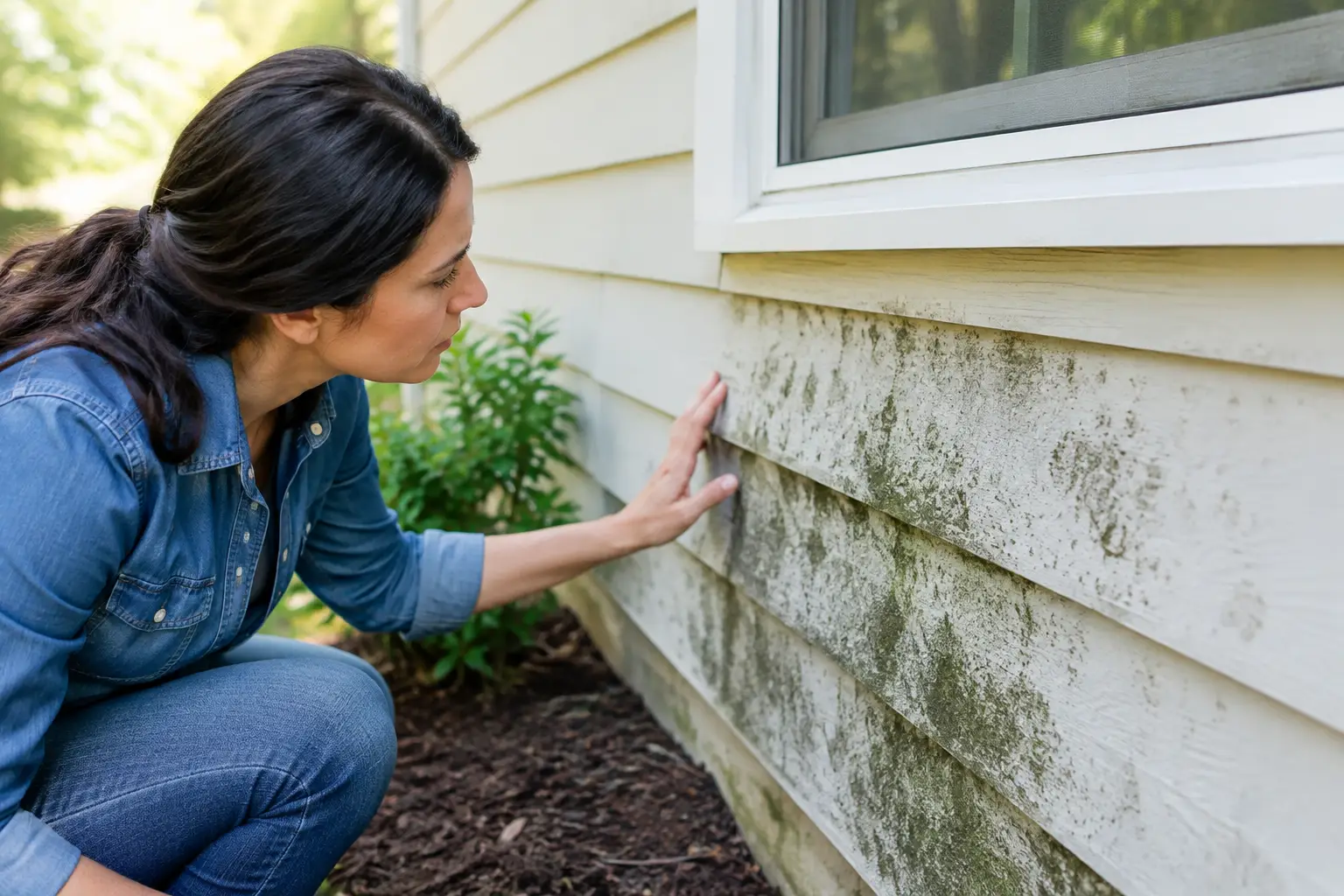
Top Outdoor Mold Warning Signs Homeowners See
A dark streak under a gutter, a green film spreading across vinyl, or a slippery patch on the front steps can make a well-kept property look neglected fast. These are among the top outdoor mold warning signs homeowners see across Asheville and Western North Carolina, where shade, rainfall, humidity, and tree cover create ideal conditions for organic growth. Catching it early can protect your curb appeal and help prevent avoidable wear on exterior surfaces.
Top Outdoor Mold Warning Signs Around Your Property
Outdoor growth is often casually called mold, but the discoloration on your home may also be mildew, algae, moss, lichen, or a mix of several organisms. The distinction can affect the best cleaning approach, yet the first warning signs are similar: discoloration, moisture retention, and surfaces that no longer look or feel clean.
The most common sign is a green, black, gray, or brown film that appears in shaded areas. North-facing siding, the side of a home close to dense landscaping, and areas beneath roof overhangs are usual trouble spots. Green growth is frequently algae, while black speckling or darker staining can be mold or mildew. Either way, it should not be treated as a permanent cosmetic issue.
You may also notice streaks running down siding from gutters, window trim, or rooflines. Water carries dirt, pollen, and organic material downward, leaving a path where growth can take hold. If the streaks return quickly after rain or continue to widen, the issue may be more than surface dirt.
A musty smell near a porch, deck, crawlspace entrance, or exterior wall deserves attention as well. Odor alone does not prove mold, particularly outdoors, but it can point to lingering moisture, trapped leaf debris, poor drainage, or growth hidden behind outdoor furniture and planters.
Where Exterior Mold and Algae Hide First
Organic buildup follows moisture, shade, and porous materials. A quick walk around the property after a rainy week often reveals the areas most likely to need care.
Siding, trim, and soffits
Vinyl, painted wood, fiber cement, brick, and stucco can all collect pollen, dust, and moisture. Look closely at lower siding near mulched beds, behind shrubs, and under eaves. A faint green cast may be easy to miss until it spreads across a whole wall.
Black dots around window frames and trim can be especially frustrating because they make a freshly painted home look older than it is. Simply blasting those spots with high pressure is not always the answer. Excessive pressure can force water behind siding, scar painted surfaces, and damage caulking or trim.
Roof shingles and shaded roof sections
Dark roof streaks are commonly caused by algae, not ordinary dirt. On shingle roofs, the staining often begins on north-facing slopes or beneath overhanging branches. Moss may appear as thicker green clumps that lift the shingle edges and hold moisture against the roof.
Roof growth should be addressed with care. Walking on a roof unnecessarily, scrubbing aggressively, or pressure washing shingles can shorten their useful life. A trained soft-washing approach is designed to treat organic staining while protecting roofing materials.
Decks, fences, and outdoor living spaces
Wood is especially vulnerable because it absorbs water. A deck that turns dark between boards, feels slick in the morning, or develops black spotting may be holding more moisture than it should. Fences can show the same pattern on the shaded side, especially near sprinklers or thick vegetation.
Not every gray board is mold. Natural weathering can turn unsealed wood gray over time. The concern rises when the discoloration is green or black, spreads in patches, feels slimy, or is paired with soft wood, peeling stain, or a persistent damp smell.
Concrete, patios, and driveways
Concrete looks tough, but its pores collect organic material. Green or black buildup on steps, walkways, retaining walls, patios, and driveways is a safety concern as much as an appearance concern. When wet, those surfaces can become surprisingly slick.
Pay close attention to concrete near downspouts, shaded entrances, and areas where vehicles drip water. If a clean-looking driveway has isolated dark patches, drainage may be concentrating water there. Cleaning helps restore the surface, but correcting the moisture source may keep the staining from coming back as quickly.
Gutters and drainage areas
Overflow marks below gutters, dark staining at gutter seams, and plants growing from the gutter line all point to moisture management issues. Clogged gutters can keep fascia boards wet and repeatedly soak the siding below. That creates an inviting environment for mildew and algae while increasing the risk of wood rot.
When a Stain Is More Than a Cleaning Issue
Exterior mold-like growth often responds well to professional cleaning, but some warning signs call for a closer look before any wash service begins. Peeling paint, soft or crumbling wood, warped siding, loose shingles, or water stains visible inside the home may indicate a repair issue. Cleaning the surface can improve the appearance, but it cannot fix an active leak or damaged material.
The same applies when growth reappears within a few weeks. In Western North Carolina’s humid climate, some seasonal return is normal, especially under trees. Rapid recurrence, however, can signal a blocked gutter, poor grading, a leaking hose bib, irrigation overspray, or vegetation that prevents the area from drying.
Commercial properties should take recurring buildup seriously, too. Slick entryways, dark storefront stains, and algae on sidewalks can affect first impressions and create avoidable slip hazards for customers and employees. Regular exterior maintenance is often easier to schedule and budget for than a major catch-up cleaning after stains become deeply established.
Why Soft Washing Is Often the Safer Choice
The cleaning method should match the surface and the problem. High-pressure washing can be effective for durable concrete when handled properly, but it is not the right choice for every exterior material. Siding, roofs, painted trim, older wood, and delicate surfaces often need a lower-pressure process.
Soft washing uses purpose-built cleaning solutions and controlled, low-pressure application to break down mold, mildew, algae, and other organic buildup. The goal is not to simply knock stains loose. It is to treat the growth at its source while rinsing in a way that is safer for the surface.
There are trade-offs. A soft-washed roof or house may need a little time for certain stains to fully release, and heavily neglected surfaces may reveal worn paint, faded siding, or old sealant once the grime is gone. That is not damage caused by cleaning. It is existing wear that buildup had been hiding. A professional evaluation before work begins helps set clear expectations.
What Homeowners Can Do Between Cleanings
You do not need to scrub every exterior surface after each rainstorm. A few simple habits can reduce the conditions that encourage growth. Keep leaves and pine needles off the roof, out of gutters, and away from deck corners. Trim shrubs back from siding so air can move freely, and avoid aiming sprinklers directly at the house or fence.
After storms, check whether downspouts are directing water away from the foundation and whether patios or walkways are draining as intended. Move planters, grills, and outdoor furniture occasionally to inspect the surface beneath them. Those shaded, undisturbed areas are easy places for algae and mildew to establish themselves.
Avoid using harsh household chemicals or a rental pressure washer as a quick fix unless you know the material can handle it. The wrong cleaner can discolor plants, damage finishes, or fail to kill the organic growth that caused the stain. The wrong pressure can leave permanent marks or force water where it does not belong.
A Cleaner Exterior Starts With Early Attention
The sooner you respond to outdoor staining, the more options you usually have. WNC Wash Pro’s helps homeowners and property managers remove mold, mildew, algae, pollen, and grime with surface-safe cleaning methods suited to the job. A professional assessment can separate a routine cleaning need from a drainage or repair concern, so you can protect your property without adding unnecessary hassle.
A quick look at your siding, roofline, deck, and walkways after the next wet spell may be all it takes to spot a small problem before it becomes a stubborn one.