
Why Do Gutters Overflow? Causes and Fixes
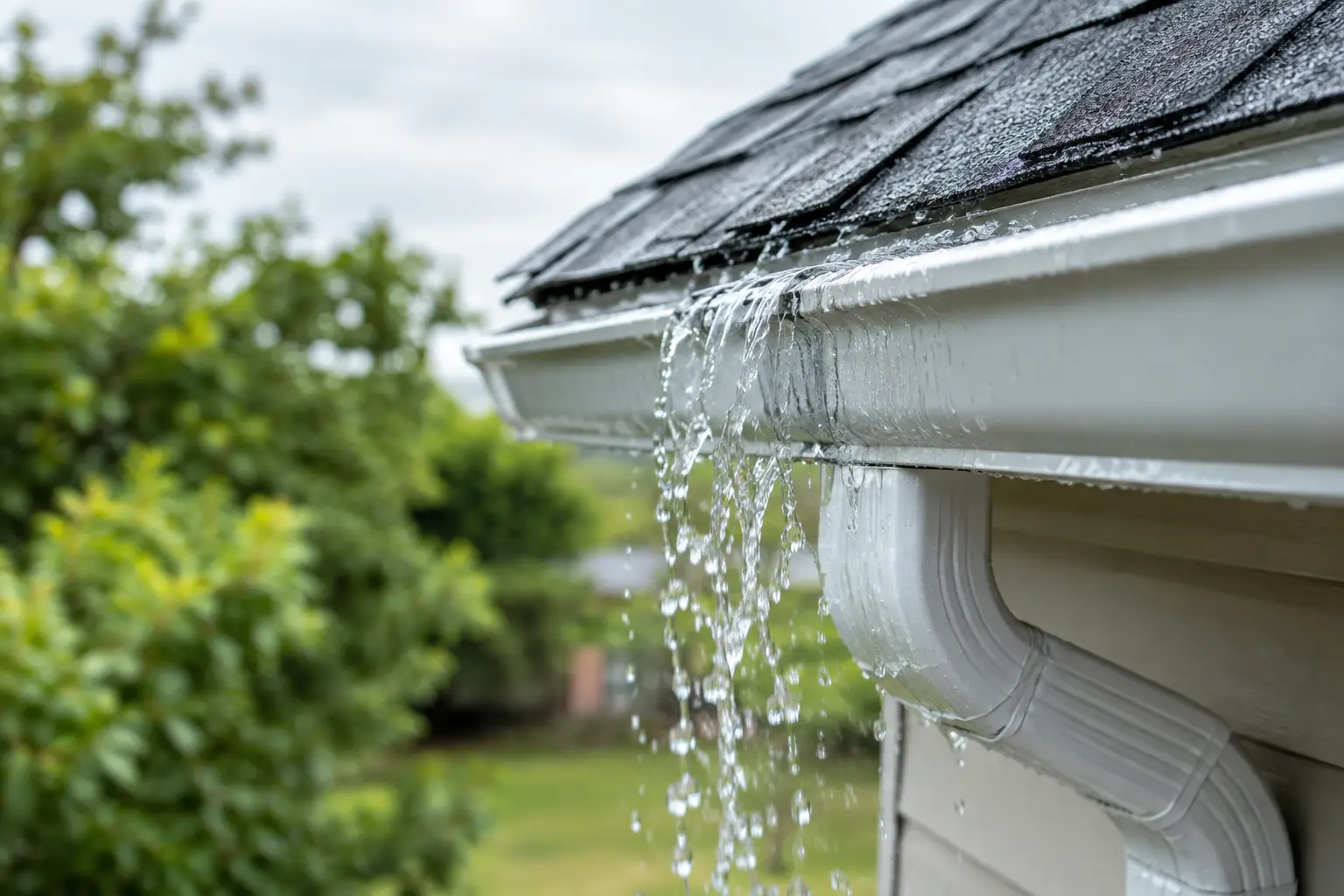
A gutter overflowing during a hard Western North Carolina rain may look like a minor nuisance, but the water has to go somewhere. When it spills over the edge, it can soak siding, stain concrete, erode landscaping, flood a crawl space, and put moisture where your home does not need it. So, why do gutters overflow? Most often, the answer is a blockage, poor drainage, or a gutter system that cannot move water as designed.
In Asheville and surrounding mountain communities, gutters work hard. Trees drop leaves, twigs, pine needles, seed pods, and pollen through much of the year. Add humid weather, mossy roof growth, and fast-moving rainstorms, and even a small gutter issue can quickly turn into a water-management problem.
Why Do Gutters Overflow During Rain?
Overflow happens when rainwater reaches the gutter faster than it can travel to the downspout and discharge safely away from the house. A clean, properly pitched gutter system should catch roof runoff and direct it through clear downspouts. When any part of that path is obstructed, undersized, damaged, or poorly installed, water may pour over the front or back of the gutter.
The timing of the overflow is a useful clue. If it occurs only in heavy downpours, the system may be undersized or the downspouts may not have enough capacity. If it happens in light rain too, debris buildup or a drainage problem is more likely. Water cascading behind the gutter can point to a different issue: the roof runoff may be slipping behind the gutter instead of entering it.
Leaves, Pine Needles, and Roof Debris
The most common cause is a simple one: clogged gutters. Wet leaves compact into a heavy mat that holds water and traps more debris. Pine needles are especially troublesome because they can weave together, lodge in gutter corners, and collect at downspout openings.
Small roof granules, sticks, acorns, shingle moss, and windblown dirt can also build up over time. Once debris prevents water from reaching the downspout, the gutter fills like a basin. A sudden rainstorm then sends water over the edge, often in the exact areas where homeowners notice streaks on siding or washed-out mulch below.
Clogged Downspouts
A gutter can look clean from the ground and still overflow because the downspout is blocked. Debris frequently gathers at the elbow, at the outlet where the gutter meets the downspout, or in an underground drain line. Water may sit in the gutter, drain very slowly, or spill over near the blocked section.
Downspout clogs deserve prompt attention because standing water adds weight to the gutter. That extra weight can pull fasteners loose, distort the gutter line, and create a larger repair issue. If a downspout discharges near the foundation, it should also carry water far enough away that it does not collect beside the home.
Incorrect Gutter Pitch
Gutters are not meant to sit perfectly level. They need a slight, deliberate slope toward the downspout so water keeps moving. If a section has settled, been installed with too little pitch, or pulled away from the fascia, water can pool in the low spot.
Pooling creates two problems. First, debris settles there and makes future clogs more likely. Second, the added water weight can worsen the sag. On older homes, the fascia board behind the gutter may have deteriorated from years of moisture exposure, making it difficult for the gutter to stay securely fastened.
Too Few Downspouts or Undersized Gutters
Not every overflow problem is caused by a dirty gutter. Some roofs simply move more water than the existing system can handle. A large or steep roof sheds rain quickly, and roof valleys concentrate a surprising amount of runoff into one short section of gutter.
Standard gutter sizing may be adequate for a modest roof in normal rain, but a home with long roof runs, multiple valleys, or frequent heavy storms may need wider gutters, larger downspouts, or additional downspouts. This is a situation where cleaning alone will not solve the problem. A qualified gutter professional can assess the roof area, runoff pattern, and outlet capacity before recommending changes.
Water Running Behind the Gutter
If water appears to run down the fascia or siding behind the gutter, the issue may involve the roof edge rather than a clog. Damaged or missing drip edge flashing can allow water to cling to the roof decking and travel behind the gutter. Gutters installed too low or too far from the roof edge can create a similar result.
This matters because hidden water behind a gutter can rot fascia boards and soffits before the damage is visible from the ground. It is also possible for overflowing gutters to mimic this problem, so an inspection during or shortly after rain can help identify where the water is actually going.
Warning Signs Your Gutters Need Attention
You do not have to wait for water to pour over the gutter edge. Look for black streaks on gutters, muddy splash marks on siding, peeling paint near the roofline, or mulch repeatedly displaced beneath the same area. Plants growing from the gutter are an obvious sign that organic debris has been sitting there long enough to break down.
Inside the gutter, standing water, visible sagging, loose spikes, and rust are all red flags. On the ground, puddles near the foundation, erosion along walkways, and water entering a basement or crawl space deserve immediate attention. A gutter system is part of your home’s drainage plan, not just a trim detail along the roofline.
How to Stop Gutters From Overflowing
The right fix depends on the cause, but regular cleaning is the starting point for most homes. Gutters should be cleared of leaves, sediment, and roof debris, while downspouts should be checked to confirm water flows freely all the way to the outlet. In heavily wooded areas around Asheville, seasonal cleanings are often more practical than waiting until fall alone.
After cleaning, test the system with a hose. Watch whether water travels steadily to each downspout, whether it pools in any section, and whether it leaks at joints. This simple test can reveal a hidden clog or a slope issue that is not apparent when the gutter is dry.
For safety, avoid leaning a ladder against the gutter itself and be cautious around electrical lines, steep terrain, and slick roofing. Cleaning from a ladder can be risky, especially when wet leaves and uneven ground are involved. Professional gutter cleaning gives you a clear system without the hassle, and it can help identify loose sections or drainage concerns before a storm exposes them.
Gutter guards can reduce large debris accumulation, but they are not maintenance-free. Fine pine needles, pollen, roof grit, and shingle debris can still collect on top of or beneath certain guard styles. They are best viewed as one part of a maintenance plan, not a replacement for inspection and cleaning.
If overflow continues after the gutters and downspouts are cleared, do not keep treating it as a cleaning problem. Have the pitch, fasteners, roof-edge flashing, gutter size, and downspout placement evaluated. The most cost-effective repair is often the one that addresses the true source of the water.
Protect the Areas Below the Gutter Line
Overflowing water can leave more than a drainage problem behind. It often carries dirt, algae, roof runoff, and organic staining down siding, brick, concrete, decks, and walkways. Keeping gutters clear helps protect these surfaces, but existing staining may need surface-appropriate cleaning rather than harsh pressure that could damage the material.
WNC Wash Pro’s provides trained gutter cleaning and exterior cleaning for homeowners who want to protect their property without spending a weekend on a ladder. For homes with mildew, pollen, or runoff stains, a safe soft washing approach can restore the appearance of siding and other delicate exterior surfaces while addressing the buildup that makes a home look neglected.
A clean gutter should move rainwater quietly and predictably away from your home. If yours is overflowing, treat the next rainfall as useful evidence: note where the water begins to spill, how quickly it happens, and where it lands. Those details make it much easier to choose a fix that keeps your home dry, protected, and looking its best.