
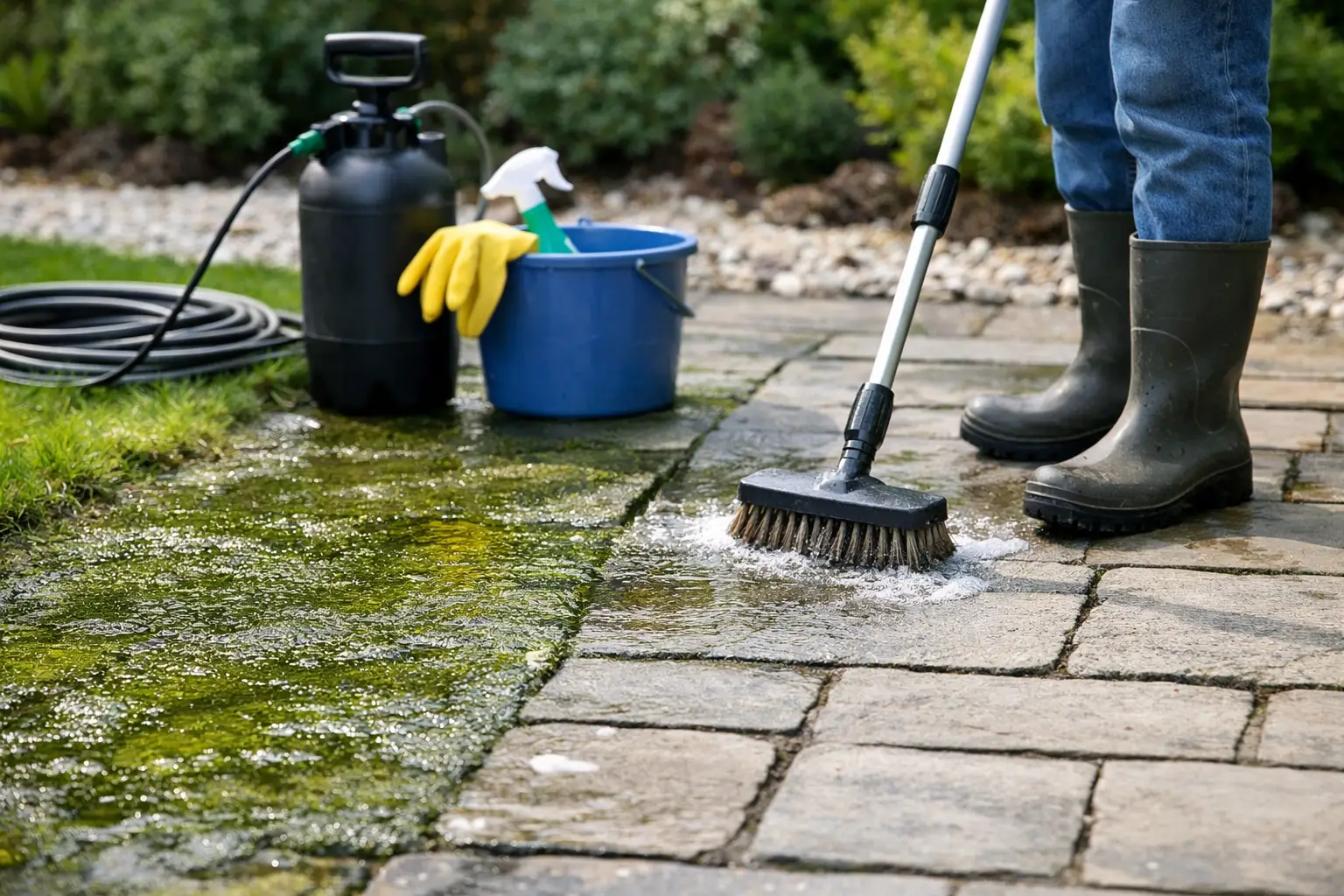
How to Prevent Algae on Walkways Safely
A walkway can look clean on Monday and develop a green, slippery film by the end of a wet Asheville week. In Western North Carolina’s humid mountain climate, knowing how to prevent algae on walkways is about more than curb appeal. It helps protect family members, guests, tenants, and customers from an avoidable slipping hazard while keeping concrete, pavers, stone, and brick looking cared for.
Algae thrives where moisture lingers, sunlight is limited, and organic debris collects. That means shaded front walks, paths beside mature landscaping, north-facing sidewalks, and areas near downspouts are usually the first places to turn green. A lasting solution starts by addressing those conditions instead of repeatedly scrubbing the surface after the problem returns.
Why Algae Keeps Returning to Walkways
Algae spores are always present outdoors. They travel through the air, settle with pollen and dust, and take hold when a surface stays damp long enough. Rain alone is not usually the issue. The bigger concern is water that cannot drain or evaporate quickly because of shade, poor grading, clogged gutters, dripping irrigation, or packed leaves along the edge of the walkway.
Porous materials can make the issue more noticeable. Concrete, natural stone, and some pavers have tiny openings that hold moisture and organic residue. Once algae establishes itself in those pores, a quick rinse may brighten the surface without fully removing the growth. That is why green staining often seems to return faster each season.
The same conditions can support mildew and mold, especially on walkways close to siding, retaining walls, fences, or wooded areas. If the surface feels slick when wet, treat it as a safety concern rather than just a cosmetic problem.
How to Prevent Algae on Walkways Before It Spreads
Keep leaves, pollen, and soil off the surface
A walkway covered with leaves or pine needles stays wet longer after rain. The debris also breaks down into a thin layer of organic material that algae can feed on. Sweep or blow off the walkway regularly, especially in fall and after storms. During spring pollen season, a light rinse can help remove the yellow-green film before it bonds with moisture and dirt.
Pay attention to the edges, joints, and spots where the walkway meets mulch beds. Those areas trap debris first, and growth often spreads outward from there. If landscaping soil or mulch routinely washes onto the path, consider improving the border so rainwater does not carry material across the walking surface.
Improve drainage where water collects
Look at the walkway shortly after a rainstorm. Puddles, dark damp patches, and water flowing across the path all point to a drainage issue. A downspout that empties at the edge of a sidewalk can keep that area wet for days, while a low spot in the concrete may create the perfect home for algae.
Simple changes can make a meaningful difference. Extend downspouts away from walkways, clear gutters so they do not overflow, and adjust irrigation heads that spray hardscape instead of plants. For persistent pooling, a landscaping or drainage professional may need to correct grading, add a drain, or evaluate whether a settled section of concrete needs repair.
Let in more sun when practical
Shade is valuable during a North Carolina summer, but dense vegetation can prevent a walkway from drying. Trimming back low limbs, overgrown shrubs, or groundcover that crowds the path can improve airflow and allow more light to reach the surface.
This does not mean removing healthy trees just to eliminate algae. It is a trade-off. Focus on branches and plants that trap moisture directly over the walkway or block air movement along a narrow side yard. Even modest pruning can shorten drying time after rain.
Check sprinklers, hoses, and outdoor fixtures
Not every algae problem starts with weather. A leaking hose connection, condensate line, outdoor faucet, birdbath overflow, or misdirected sprinkler can create a constantly damp strip on otherwise dry concrete. These small water sources are easy to overlook because they may only run at certain times of day.
If algae appears in one concentrated area, inspect the source before cleaning. Otherwise, the fresh surface may look great briefly, then develop the same growth again within weeks.
Clean early instead of waiting for a heavy buildup
Light algae is easier to remove than a thick, established layer. Waiting until a walkway turns dark green or black can make the cleaning process more difficult and may leave behind staining that needs additional treatment. A seasonal inspection helps catch growth before it becomes slick underfoot.
For most homes, check shaded paths at the end of winter, during spring pollen season, after long rainy periods, and again in fall when leaves begin to collect. Commercial properties, rentals, and heavily used entrances may need more frequent attention because a slippery entry affects both safety and first impressions.
Use the Right Cleaning Method for the Surface
High pressure is not automatically the best answer for every walkway. Pressure washing can be effective for durable concrete when used correctly, but too much pressure or the wrong tip can leave visible wand marks, damage mortar, dislodge joint sand, or roughen a surface. A roughened surface may hold dirt and moisture more easily afterward.
Natural stone, older brick, decorative concrete, and pavers need especially careful treatment. These materials can vary in strength and porosity, so the safest method depends on their condition and the type of buildup present. In many cases, a surface-safe treatment that kills organic growth before a controlled rinse provides better results than trying to blast away staining.
Bleach-heavy or harsh do-it-yourself mixtures also require caution. They can harm nearby grass and landscaping, discolor certain materials, and create runoff concerns when applied improperly. Never mix cleaning products, and follow the product label exactly if you choose to clean a small area yourself. Protective footwear matters, too: algae-covered concrete can stay slick even while you are working on it.
For established buildup, WNC Wash Pro’s uses trained, surface-appropriate exterior cleaning methods to remove algae, mold, mildew, and staining without treating every surface like it needs maximum pressure. Professional cleaning is particularly helpful when the walkway is steep, heavily shaded, near delicate landscaping, or connected to a larger issue on the driveway, siding, gutters, or roofline.
Should You Seal a Walkway to Help Prevent Algae?
A quality sealer can make sense after a thorough cleaning, particularly for porous concrete, pavers, and some natural stone. The right product can reduce water absorption and make future dirt and organic buildup easier to remove. It can also help preserve color and protect a surface from weathering.
Sealing is not a magic barrier against algae. If water still pools on the walkway or leaves are left in place all season, growth can develop on top of a sealed surface. Some sealers may also change the appearance of the material, creating a darker or glossier finish. Others can become slippery if the wrong product is selected for a walking area.
Before sealing, make sure the walkway is fully cleaned, dry, and in good repair. Ask whether the product is appropriate for foot traffic and whether it includes a non-slip option. This is one project where surface type and local moisture conditions should guide the decision.
A Simple Maintenance Rhythm for Mountain-Climate Homes
The goal is not to spend every weekend cleaning your castle. A practical routine keeps minor buildup from turning into a bigger job. Sweep debris as needed, rinse pollen and mud after heavy seasonal buildup, inspect downspouts and sprinklers a few times a year, and schedule professional cleaning when algae becomes visible or the surface begins to feel slick.
Homes surrounded by trees or located on shaded slopes may need walkway cleaning annually, while sunnier properties with good drainage may go longer. There is no single schedule that fits every property. The condition of the surface should lead the plan.
When a Green Walkway Needs Professional Attention
Call for help when algae has spread across a large area, returns quickly after cleaning, creates a slip hazard, or appears alongside black staining, drainage problems, or deteriorating concrete. A professional can identify whether the issue is simple organic buildup or part of a larger moisture problem that needs to be addressed first.
A clean walkway should not come at the expense of damaged pavers, etched concrete, or stressed landscaping. The best result is a visibly brighter path that is safer to walk on and easier to maintain through the next rainy season.
Before the next stretch of wet weather arrives, take five minutes to walk your paths after a rain. The spots that stay dark, damp, or slick are the places where a little preventive care now can save a much bigger cleanup later.