
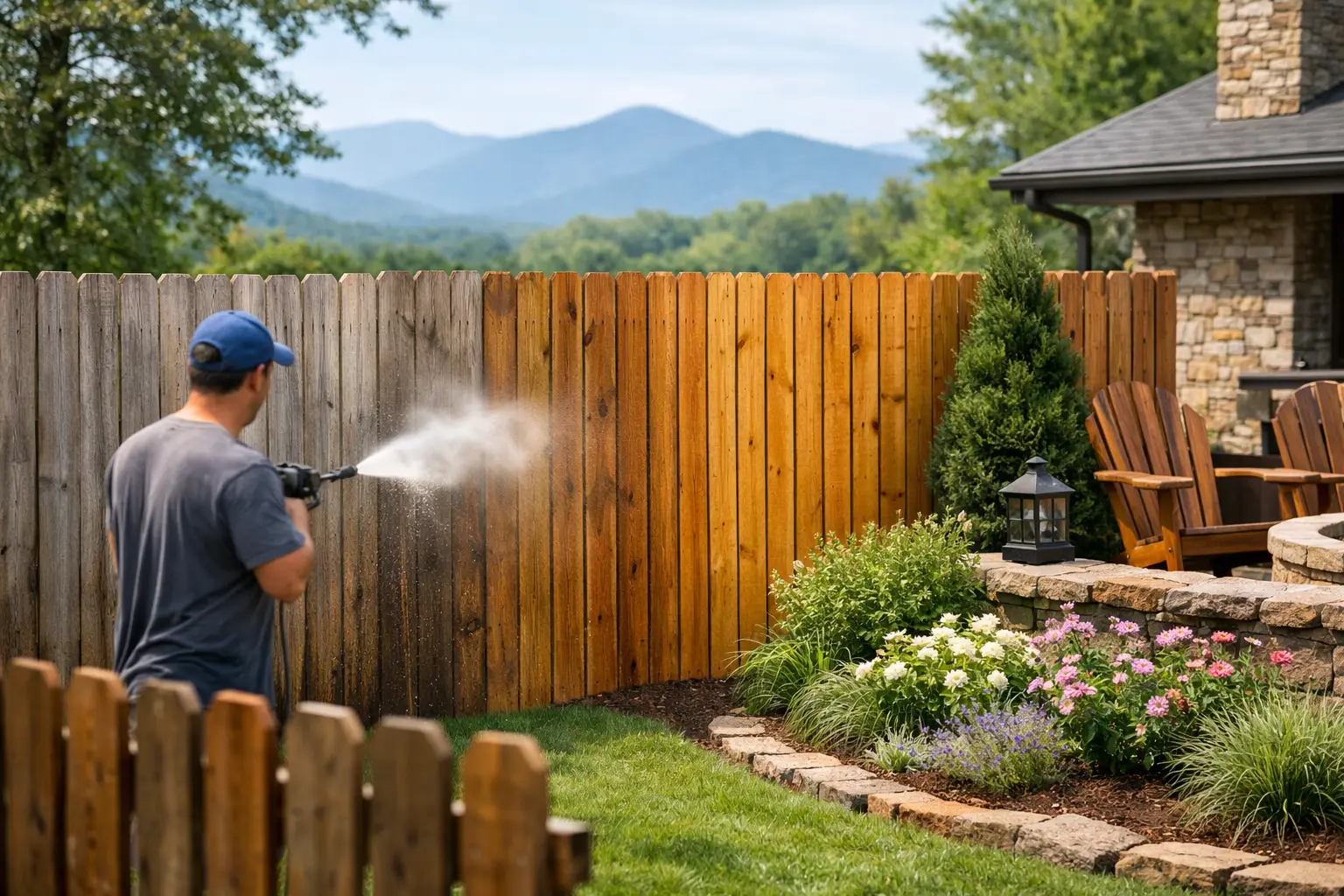
Fence Cleaning Asheville NC for Lasting Curb Appeal
A fence can look weathered long before it is worn out. In Asheville’s humid mountain climate, green algae, black mildew, pollen, and damp leaf debris can settle into wood grain, cling to vinyl panels, and leave a property looking neglected. Professional fence cleaning Asheville NC homeowners can rely on is about more than a brighter color. It is a practical way to protect the fence materials that frame your home, yard, and investment.
The right cleaning method depends on the fence. A strong blast of water may seem like the fastest answer, but it can scar wood, force water into weak areas, or leave uneven streaks behind. A trained exterior cleaning team evaluates the material, condition, and type of buildup first, then uses the appropriate soft washing or controlled pressure washing approach for a clean result without unnecessary damage.
Why Asheville Fences Get Dirty So Quickly
Western North Carolina gives homeowners plenty to enjoy: tree cover, mountain air, changing seasons, and lush landscapes. Those same conditions can be tough on exterior surfaces. Shade slows drying after rain, humidity supports organic growth, and spring pollen coats nearly everything outside.
Wood fences are especially vulnerable because their porous surface holds moisture and organic debris. Mildew and algae can develop in shaded sections, particularly along the bottom rails and posts. Vinyl fences do not absorb water in the same way, but they can still develop green growth, dark streaks, and stubborn film that makes a light-colored fence look dull.
Fence location matters, too. A fence beneath mature trees, near irrigation, beside a wooded lot, or along the north side of a home may need attention more often than one exposed to regular sun and airflow. This is why there is no single cleaning schedule that fits every Asheville property.
What Professional Fence Cleaning Removes
A properly cleaned fence should look refreshed, not stripped or damaged. The goal is to remove the contamination that affects appearance and can contribute to premature wear, while respecting the surface beneath it.
Professional cleaning can address common fence problems such as algae, mildew, mold-like organic staining, pollen, dirt, spiderwebs, leaf residue, and general atmospheric grime. On wood, cleaning can also reveal the fence’s natural grain and make it easier to see where maintenance, staining, or repairs may be needed.
Not every dark mark will disappear completely. Deep tannin stains, old paint failure, iron-related staining, weathering, and previous discoloration can require additional treatment or refinishing. A trustworthy contractor should set clear expectations before work begins instead of promising that every mark will vanish with a single wash.
Soft Washing vs. Pressure Washing a Fence
The safest method is determined by the material and condition of the fence, not by a one-size-fits-all setting. Soft washing uses low-pressure application paired with cleaning solutions designed to break down organic buildup. The surface is then rinsed carefully. This approach is often the safe alternative for delicate wood, older fences, painted surfaces, and areas where high pressure could cause damage.
Controlled pressure washing can be useful for certain durable fence surfaces and heavier embedded dirt. However, pressure must be adjusted correctly. Too much force can raise wood fibers, create visible wand marks, chip paint, loosen aging boards, and make a fence look worse after cleaning.
For a wood privacy fence, the best result often comes from a low-pressure, surface-safe process rather than aggressive pressure. For vinyl, cleaning typically focuses on safely lifting mildew and film without leaving streaks or harming nearby landscaping. The details matter, which is why experienced technicians inspect the fence before choosing the method.
Why DIY Fence Washing Can Create Expensive Problems
Homeowners can rent a pressure washer, but the learning curve is real. Holding the nozzle too close, using the wrong tip, or lingering in one area can quickly etch a pattern into wood. On vinyl, improper cleaning products can leave chalky residue or discoloration.
Cleaning chemistry also matters. A product strong enough to remove organic growth may need to be diluted, applied carefully, and rinsed thoroughly. Nearby plants, painted surfaces, windows, and outdoor furniture need protection throughout the job. Professional crews are trained to manage those details so cleaning your castle does not turn into a weekend repair project.
When Should You Schedule Fence Cleaning in Asheville?
For many properties, annual fence cleaning is a smart baseline. Homes with heavy shade, frequent moisture, thick tree cover, or visible green growth may benefit from cleaning every six to twelve months. The right timing depends on how quickly the fence collects organic buildup and how important curb appeal is to the property owner.
Spring is a popular time to clean after winter moisture and before outdoor entertaining season. Late summer and fall can also be effective, especially when pollen, algae, and debris have built up over several humid months. If you are preparing to stain or seal a wood fence, cleaning should be scheduled first, with enough drying time before the next step.
Landlords and real estate-conscious homeowners often schedule fence cleaning before listing a property, hosting an event, or completing other exterior maintenance. A clean fence helps the yard feel more cared for and can make landscaping, patios, and siding look better by comparison.
Protecting a Wood Fence After Cleaning
Cleaning removes buildup, but it does not replace ongoing maintenance. Once a wood fence is clean and fully dry, inspect it for loose fasteners, cracked boards, soft spots near posts, and failing stain or sealer. Addressing small issues early can help prevent a larger replacement expense later.
If the fence needs staining or sealing, follow the product manufacturer’s guidance on moisture levels and cure time. Rushing that process can trap moisture or lead to an uneven finish. In Asheville’s variable weather, a dry window is valuable, and a professional can help identify whether the fence is ready for its next treatment.
Keep leaves, mulch, and dense vegetation from staying packed against the fence line. Better airflow helps the lower portion dry more quickly after rain. Trimming back overgrown shrubs and avoiding constant sprinkler contact can also slow the return of algae and mildew.
Choosing a Fence Cleaning Company
The lowest quote is not always the best value if it comes with a high-pressure approach that risks damage. Ask how the company cleans wood versus vinyl, whether they use soft washing when appropriate, and how they protect plants and surrounding surfaces. You should also expect a clear estimate and straightforward answers about what results are realistic for your fence.
Look for a locally experienced team that understands Asheville’s moisture, shade, and seasonal pollen. A company that handles a range of exterior surfaces can also spot related concerns around decks, siding, concrete, gutters, and roofs, helping you plan maintenance instead of reacting only when buildup becomes obvious.
WNC Wash Pro’s provides trained, surface-safe exterior cleaning for homeowners and property owners who want visible results without the hassle. The work should leave your fence cleaner, your property looking sharper, and your concerns addressed with a 100% satisfaction guarantee.
A Cleaner Fence Changes the Whole Yard
A fence is often one of the largest visible surfaces on a property, yet it is easy to overlook until stains and green growth become impossible to ignore. Cleaning it professionally can restore the look of the yard, support routine wood maintenance, and make the entire exterior feel more cared for. If your fence has started blending into the shadows for the wrong reasons, a safe, professional cleaning is a simple place to start.