
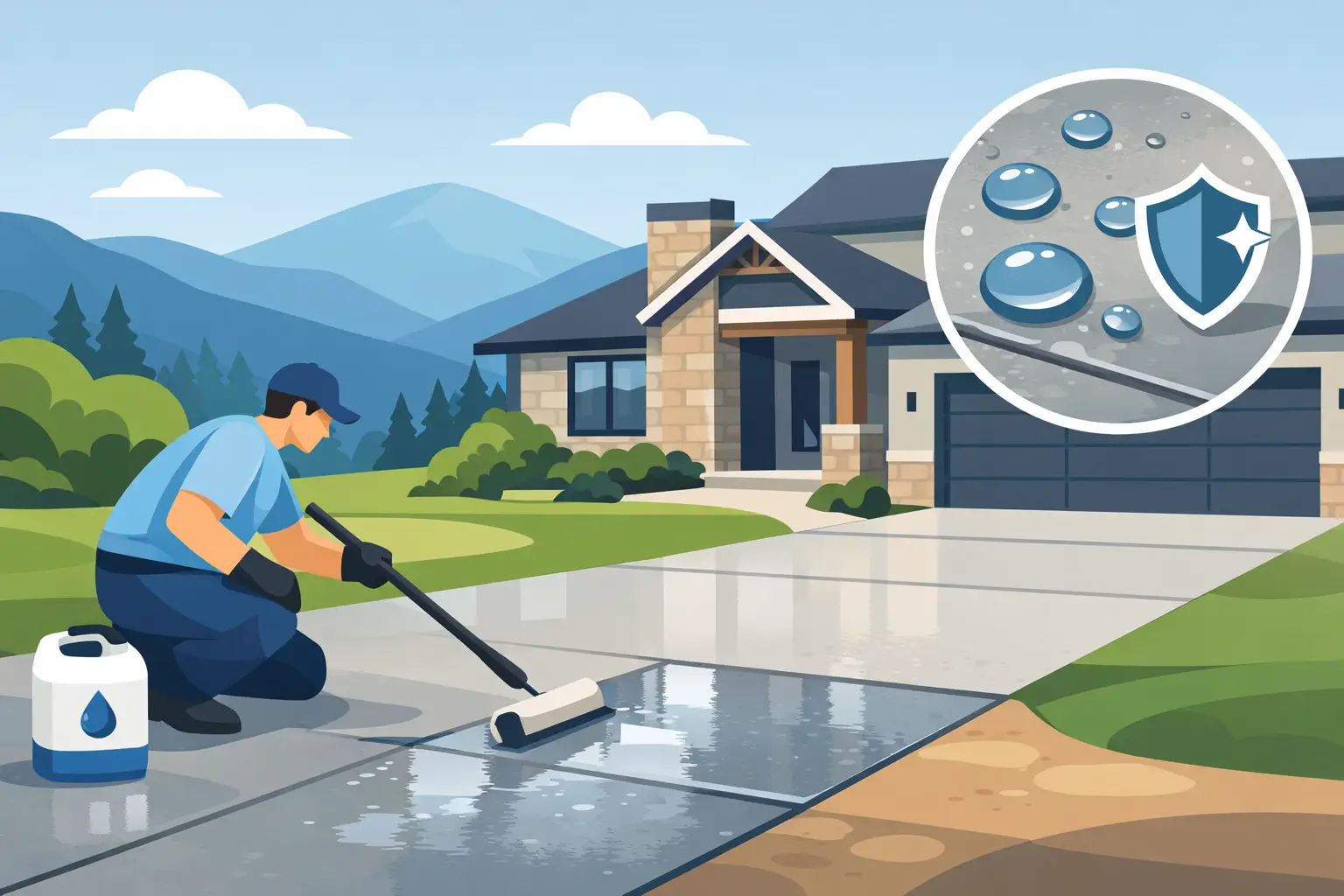
Concrete Sealing Asheville Homes Can Rely On
A clean driveway can change the entire first impression of a property, but Asheville’s wet springs, shaded lots, leaf debris, and winter temperature swings are hard on bare concrete. Professional concrete sealing Asheville property owners choose helps protect the surface after cleaning, making driveways, patios, walkways, and pool decks easier to maintain and better prepared for the conditions Western North Carolina delivers year after year.
Concrete may look solid and permanent, but it is porous. Water, oils, road grime, rust, fertilizer stains, and organic growth can work into those tiny openings. Once stains settle in, routine rinsing often will not remove them. Sealing is a practical way to protect the concrete you have already invested in while keeping the property looking cared for.
Why Concrete Sealing Matters in Asheville
Our mountain climate creates a specific set of challenges for exterior concrete. Moisture lingers in shaded areas, especially on north-facing driveways and walkways. Pollen can build up in spring, while leaves and organic debris hold moisture against patios and paths in fall. That damp environment encourages algae, mildew, and dark staining that can make concrete look neglected and become slippery underfoot.
Water is not only a surface concern. When moisture enters unsealed concrete, it can contribute to staining, surface wear, and damage during repeated freeze-thaw cycles. Water expands as it freezes. Over time, that movement can aggravate small cracks and weak areas in the slab. A quality sealer will not repair structural damage, but it can limit water absorption and give a sound concrete surface a stronger line of defense.
For homeowners thinking about resale, the payoff is visible. A freshly cleaned and sealed driveway or patio creates a more finished appearance around the home. For landlords, business owners, and property managers, it also supports safer, more welcoming exterior spaces without creating a constant cycle of deep cleaning.
What a Concrete Sealer Actually Does
Concrete sealing is not just about adding a shine. Depending on the product and finish selected, a sealer can reduce the penetration of water, oil, dirt, and common outdoor contaminants. This makes future cleanup easier and helps preserve the natural color and texture of the concrete.
Penetrating sealers soak into the concrete and are often a good choice for driveways, walkways, and other areas where a natural, low-sheen look is preferred. They provide protection without dramatically changing the appearance of the slab. Film-forming sealers sit closer to the surface and may offer more color enhancement or gloss, but they need careful product selection and professional application to avoid a slippery or uneven result.
The best option depends on the concrete’s age, condition, location, and use. A shaded front walk has different needs than a sunny patio. A heavily used driveway with vehicle traffic and occasional oil drips needs a different level of protection than a decorative backyard path. The goal is not to apply the most noticeable finish. It is to apply the right protection for the surface.
Concrete Sealing Asheville Properties Need Starts With Cleaning
Sealer should never be used to cover dirt, algae, or stains. It can lock contaminants into the surface and leave the finished job looking blotchy. Proper preparation is what separates a short-lived cosmetic treatment from work that protects the concrete as intended.
First, the concrete needs to be evaluated for existing issues such as heavy staining, flaking, cracks, old failing sealer, or surface damage. Then it needs a thorough cleaning process that removes embedded dirt, organic buildup, tire marks, and other contaminants. Pressure washing can be effective on concrete, but pressure alone is not always the answer. The right cleaning solutions, water pressure, and technique help lift stains without unnecessarily stressing the surface or pushing debris into nearby landscaping.
The concrete must then dry fully before sealing. This step is especially important in Asheville, where humid conditions and shaded areas can extend drying time. Applying sealer to damp concrete can interfere with adhesion and performance. A trained crew will account for weather, surface moisture, and the specific sealer being used rather than rushing through the application.
When Should You Seal a Driveway or Patio?
For many well-maintained concrete surfaces, sealing every two to three years is a reasonable starting point. High-traffic driveways, exposed patios, and surfaces that receive frequent moisture may need attention sooner. Product type matters too. Some penetrating sealers can last longer, while decorative or film-forming products may require more regular maintenance.
Instead of relying only on the calendar, watch how the concrete behaves. If water quickly darkens the surface and soaks in rather than beading up, the existing protection may be wearing away. Other signs include stubborn stains, a dull or uneven appearance, recurring algae growth, and areas that seem harder to clean than they used to be.
Spring and fall are often favorable seasons for concrete service because temperatures are moderate. Still, the right window depends on the forecast. Concrete should be dry, and the sealer needs appropriate temperatures and enough time to cure before rain, heavy use, or freezing weather. A professional recommendation based on actual site conditions is more reliable than choosing a date simply because it is convenient.
What to Expect From a Professional Concrete Sealing Service
A dependable service begins with an honest assessment. Not every slab is ready for sealer, and sealing will not hide deep cracks, major spalling, or failing concrete. A qualified exterior cleaning contractor should explain what can be improved, what needs repair first, and what finish is appropriate for the area.
The work should include targeted cleaning and stain treatment before any sealer is applied. Oil spots, rust stains, mildew, and tire marks may each need different methods. Once the surface is clean and dry, the sealer should be applied evenly at the recommended coverage rate. Too little material can leave weak spots. Too much can create streaking, tackiness, or an unnatural-looking finish.
It is also wise to discuss slip resistance for walkways, steps, pool areas, and commercial entrances. A glossy finish may look appealing, but safety comes first. In certain areas, a natural penetrating product or an added traction component is the smarter choice.
WNC Wash Pro’s takes the hassle out of restoring and protecting exterior concrete with trained local crews, surface-appropriate cleaning methods, and a 100% satisfaction guarantee. Whether the job is a residential driveway or a customer-facing commercial walkway, the focus should stay on clean results, safe application, and protection that suits the property.
Keep Sealed Concrete Looking Its Best
Sealing reduces maintenance, but it does not eliminate it. Sweeping away leaves, pine needles, and soil helps prevent moisture and organic matter from sitting on the surface. Cleaning up vehicle leaks, fertilizer spills, and food or drink spills promptly also gives stains less time to penetrate.
Avoid using harsh deicing products whenever possible. Some ice melts can contribute to surface damage, particularly on older or already compromised concrete. Use products suited for concrete and follow the manufacturer’s instructions. If algae returns in a deeply shaded area, schedule cleaning before the buildup becomes thick and slippery.
Regular exterior cleaning also makes it easier to see the true condition of the concrete. When dirt and staining are removed, you can spot small cracks, worn joints, or drainage issues before they turn into bigger concerns.
A Better Finish Begins With the Right Plan
Concrete sealing is most effective when it follows a careful cleaning and preparation process, not when it is treated as a quick add-on. The right sealer, the right weather window, and the right application method can help a driveway or patio stand up to Asheville moisture, everyday traffic, and the visible wear that slowly takes away curb appeal.
If your concrete is clean but still absorbs water, stains easily, or looks tired again soon after washing, it may be ready for a professional evaluation. Protecting that surface now can make the next season of rain, pollen, and foot traffic much easier to manage.